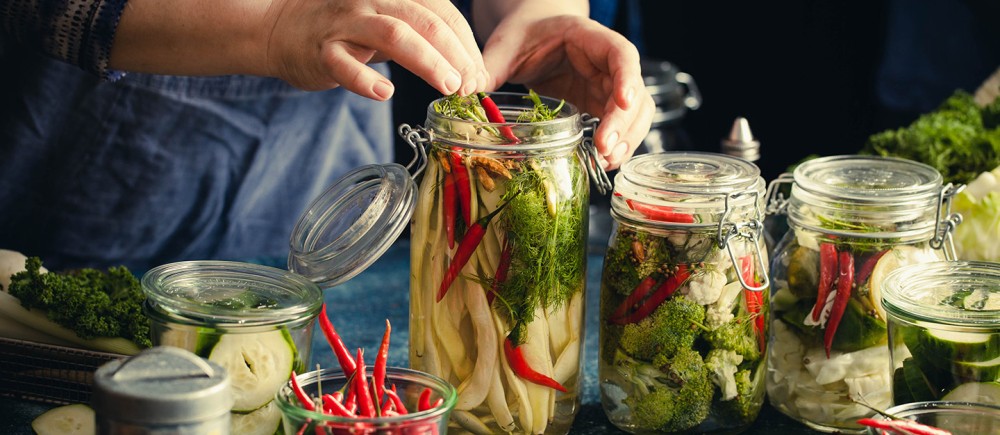
(Introduction) In recent years, there has been a strong comeback of the "Mason Jar" trend and home food canning. While this is a rewarding hobby and a way to reduce waste, it carries risks if not done correctly, the most notable being poisoning from the deadly "Clostridium botulinum" bacteria. Follow this guide to safely enjoy your home stockpile.
- The Hidden Danger: Botulism
- What is it? A serious poisoning caused by bacteria that produce a nerve toxin in a low-oxygen environment (such as sealed cans).
- How to avoid it? Heat and acid are the key.
- The Golden Safety Rules in Canning:
- Choose the right method: Use "Pressure Canning" for meats, poultry, fish, and most vegetables. "Water Bath Canning" is not sufficient for these products.
- Cleanliness is essential: Sterilize jars and lids well. Wash your hands and surfaces with soap and water.
- Follow reliable recipes: Do not alter canning recipes by adding or reducing ingredients (such as salt, sugar, or acid). Use only recipes from trusted sources (such as agricultural research centers).
- Inspect the final product: Before opening any jar, ensure the lid is tightly sealed and not producing bubbles. If the lid is bulging, there is a foul smell, or foam is released when opened, dispose of the contents immediately without tasting them.
- Storage: Store jars in a cool, dry, and dark place. Use sterilized foods within a year for the best quality.